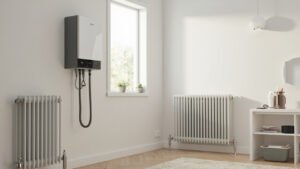

A combi boiboilers and radiant heat ler heats water on demand without a tank, making it ideal for smaller homes with one or two bathrooms, while a system boiler stores hot water in a cylinder and better serves larger households with multiple simultaneous water outlets. Boilers for radiant heat come in both types. Manual J load calculation
What Is the Difference Between a Combi and System Boiler?
A combi (combination) boiler draws water directly from the mains and heats it instantly as it passes through the unit — no separate water tank or cylinder is required. This compact design eliminates the need for a loft-mounted cold water tank and a downstairs hot water cylinder, saving significant space (typically 0.3–0.5 m² of floor space). A system boiler, by contrast, stores 30–300 liters of already-heated water in an insulated hot water cylinder, connected to the boiler via a dedicated pipework loop. The boiler fills and heats the cylinder during off-peak periods, and that stored water feeds all hot taps and showers simultaneously.
The practical difference is capacity and continuity. A system boiler’s stored hot water means multiple bathrooms can run at the same time without a pressure drop. A combi delivers unlimited hot water but may struggle to supply two outlets at truly simultaneous full flow — performance depends on the boiler’s flow rate (typically 9–24 liters per minute for domestic combis).
Which Boiler Type Is Better for a Small Home?
A combi boiler is the better choice for a flat, terraced house, or any home with up to two bedrooms and a single bathroom, particularly if floor space is limited. Combi boilers suit small homes because they require no cylinder, no tank, and minimal pipework — a straightforward flow-and-return pipe pair is all that’s needed. This makes installation neater, faster, and cheaper (by £800–£1,500 in parts and labour versus a system boiler installation). If the mains water pressure is good (above 1 bar), a combi can comfortably serve a single shower and one hot tap simultaneously.
The main constraint for small homes is flow rate. A typical 24–30 kW combi delivers a maximum of 10–12 liters per minute at 35°C rise — sufficient for one shower, but challenging if someone runs a hot tap while the shower is running, as flow divides between them. For a single-occupant or couple household with one bathroom, this is rarely a practical problem.
Which Boiler Is Better for a Large Home with Multiple Bathrooms?
A system boiler is better for homes with two or more bathrooms that may see simultaneous hot water demand, especially if the property has more than four bedrooms or multiple occupants who may shower concurrently. The stored hot water cylinder (typically 200–300 liters for a large home) acts as a buffer, ensuring that two showers running at once draw from the same reserve without pressure or temperature drop. System boilers also perform better in homes with low mains water pressure, since the cylinder is fed by a dedicated cold water storage tank in the loft rather than directly from the mains.
A system boiler also allows integration with solar thermal and heat pump systems via a larger thermal store, which can improve effheat pump efficiency in cold climates iciency in off-grid or low-carbon heatypes of heating systems ting setups. If a household includes a mix of showers, baths, and hot taps used simultaneously, the system boiler eliminates the combi’s flow-rate ceiling problem entirely.
What Are the Cost Implications of Each Boiler Type?
Combi boilers typically cost £400–£1,800 in equipment alone versus £700–£2,500 for a system boiler, but system boiler installations often carry an additional £800–£1,500 premium for the hot water cylinder, associated pipework, and longer installation time. A combi boiler installation in a straightforward repboiler replacement cost lacement scenario typically runs £2,000–£4,000 all-in. A like-for-like system boiler replacement including a new unvented cylinder can reach £3,500–£6,000 depending on cylinder capacity and pipework modifications.
In terms of running costs, combi boilers are generally slightly more efficient at delivering hot water on demand (no standing heat losses from a stored tank), but modern system boilers with high-efficiency pumps and smart controls narrow this gap significantly. Annual gas bills for a system boiler household may run £50–£150 higher due to cylinder heat loss and the energy required to maintain water at temperature — particularly if the cylinder is in an unheated space.
Combi boilers avoid the cylinder space requirement entirely, which can add real value in city apartments or compact new-build homes where every square metre matters.
FAQ
Is a combi boiler more efficient than a system boiler?
Both can achieve 90–93% efficiency (ErP A-rated) for central heating. Combi boilers save slightly on hot water because there’s no stored tank heat loss, but for most households the difference is marginal — £30–£80 per year on gas bills.
Can a combi boiler run two showers at once?
A high-output combi (30 kW or above with a 24+ L/min flow rate) can technically supply two showers, but flow rate is shared. Combi boiler vs system boiler comparisons help decide which is right for your home.
What is the lifespan of a combi vs a system boiler?
Both typically last 12–15 years with annual servicing. System boilers may outlast combis in high-demand households because the boiler itself cycles less frequently (drawing from stored water rather than firing every time hot water is needed).
Which is easier to install — combi or system boiler?
Combi is simpler — no tank, no cylinder, minimal pipework. System boiler installations are more complex and disruptive, often requiring new pipe runs to a utility cupboard or airing cupboard for the cylinder.
Do I need a powerflush before installing either boiler?
Yes. Your boiler service provider should powerflush the heating system before a new boiler installation regardless of type.