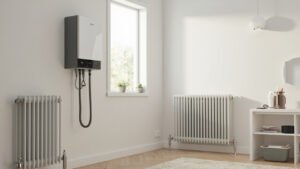
Radiators not heatypes of heating systems ting up? If your radiators have cold spots at the top, bleeding them releases trapped air and restores full heating performance — and it’s a job most homeowners can handle in under 10 minutes per radiator. boiler replacement cost Manual J load calculation<a href="/boiboilers and radiant heat lers-radiant-heat-2/”>Boilers and radiant heat systems commonly use radiators.
What Tools Do You Need to Bleed a Radiator?
How Do You Know If a Radiator Has Air in It?
Your radiator has trapped air if the top section stays cold while the bottom warms up, or if you hear gurgling and bubbling sounds from the radiator when the heating is on. Another telltale sign is if your heating system runs longer than usual without producing the expected warmth, or if one specific room in your home is consistently colder than the rest. Partially bled radiators may also feel warm at the bottom but noticeably cooler across the upper half. In severe cases, you may even hear whistling or hissing from the radiator valve as air escapes.
Step-by-Step: How to Bleed a Radiator
Step 1 — Turn Off Your Heating System
Switch off your boiler or central heating and wait 15–20 minutes for the radiators to cool completely before you begin. Never attempt to bleed a radiator while the heating is running or still hot, as the water inside can reach scalding temperatures and cause burns. Boilers for radiant heat systems require similar maintenance steps.
Step 2 — Identify the Bleed Valve
Locate the small square or hexagonal bleed valve at the top corner of the radiator — usually the end farthest from the inlet pipe. Some radiators have two bleed valves, one at each top corner. Have your towel and container ready directly beneath the valve before you proceed, as water will drip out the moment you open it.
Step 3 — Open the Bleed Valve
Insert the radiator key or screwdriver and turn it counter-clockwise — just a quarter turn (90 degrees) is enough. You should hear a hissing sound as trapped air escapes. Hold the container beneath the valve to catch any water. Once water begins to drip steadily instead of hissing, the air has been fully released.
Step 4 — Close the Valve and Check Pressure
Turn the valve clockwise to close it firmly — finger-tight is sufficient; do not over-tighten as this can damage the valve. Then check your boiler’s pressure gauge on the filling loop. The needle should sit between 1 and 2 bar (typically 1.5 bar is ideal). If pressure has dropped noticeably, top up using the filling loop until it returns to the correct range.
Step 5 — Repeat and Restart
Repeat the process on any other radiators showing cold spots, working systematically from the ground floor upward. Once all radiators are bled, switch your heating back on and wait 10–15 minutes. All radiators should now heat evenly from bottom to top with no cold spots.
What Should You Do If Bleeding Doesn’t Fix the Issue?
If bleeding a radiator doesn’t resolve the problem, the issue may be low system pressure, a stuck balance valve, sludge buildup inside the radiator, or a faulty boiler circulation pump. Boiler serhow often to service a boiler vice schedules help prevent these issues.
FAQ
Why is my radiator cold at the top even after bleeding?
Trapped air is the most common cause, but if bleeding doesn’t resolve it, the radiator may have sludge buildup or an issue with your boiler’s water pressure and circulation.
How often should you bleed your radiators?
Bleed your radiators once per heating season (at the start of autumn) or any time you notice cold spots. Annual bleeding prevents recurring airlock problems.
Can you bleed a radiator without a key?
Many modern radiators use a flat-head screwdriver valve rather than a traditional radiator key. For chrome or designer radiators with a Torx or bespoke valve, you may need the specific key that came with the unit.
Is it dangerous to bleed a radiator?
Bleeding a cool radiator is very low risk. The main hazards are minor scalding (if the radiator is still hot) and water spillage on floors. Ensure the system is off and cool before you begin.
Should you bleed radiators with the heating on?
No. Always switch off the heating and wait for radiators to cool before bleeding to prevent scalding and ensure all trapped air is released.