Heating System Installation: What Homeowners Need to Know
A properly installed heating system is the difference between a home that stays warm through January and one that leaves you bundling up in blankets while the furnace sputters. Whether you are swapping out a aging unit or installing an entirely new system, getting the installation right matters — it affects your comfort, your energy bills, and how often you will need to call for repairs over the next 15 to 25 years.
This guide walks you through every stage of the heating system installation process: what actually happens during installation, how long it takes, what permits you need, how much you will pay, and how to choose a contractor who will not leave you in the cold.
What Does the Heating System Installation Process Involve?
The heating system installation process is a multi-stage project that typically begins weeks before anyone sets foot in your home. Understanding the full scope helps you set realistic expectations and avoid the surprises that drive up costs.
Initial Assessment and Load Calculation
Before any equipment is ordered, a qualified HVAC contractor performs a heat load calculation — sometimes called a Manual J calculation — to determine exactly how much heating capacity your home needs. This accounts for your home’s square footage, ceiling height, insulation levels, window quality, orientation, and local climate data.
Skipping this step is the single most common mistake homeowners make. Installing a furnace that is too large short-cycles (turning on and off constantly), wasting fuel and wearing out components prematurely. Installing one that is too small leaves you cold on the coldest nights.
Equipment Selection
Once the load calculation is complete, you and your contractor select the system that fits your needs and budget. Options typically include:
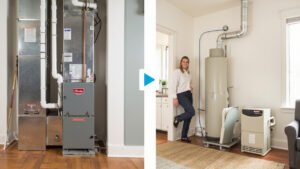
- Gas furnaces — efficient, powerful, and widely available
- Heat pumps — electric systems that both heat and cool; increasingly popular for their efficiency
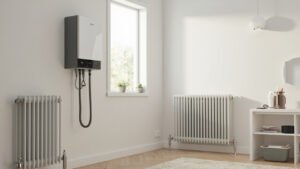
- Boilers — hydronic heating using hot water or steam
- Electric furnaces — simpler but often more expensive to operate
- Ductless mini-splits — zoned heating for specific areas without ductwork
The contractor should explain the efficiency rating (AFUE for furnaces, HSPF for heat pumps) and help you weigh the upfront cost against long-term operating savings.
Old System Removal
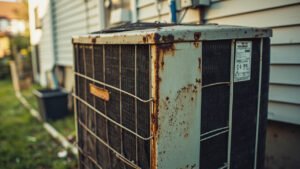
If you are replacing an existing system, the old unit must be safely disconnected, drained (if applicable), and removed. This typically takes half a day to a full day depending on the system’s age and whether refrigerant needs to be recovered by a certified technician.
Ductwork Inspection and Modification
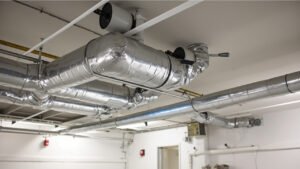
For forced-air systems, the ductwork is inspected for leaks, kinks, or undersized runs. Roughly 20–30% of homes have significant duct leaks that undermine system performance. Your contractor should pressure-test the ducts and recommend sealing or modification if needed. This step alone can improve system efficiency by 10–20%.
For new-construction installations or major remodels, ductwork may need to be designed and installed from scratch.
Installation Day
On installation day, the crew will typically:
- Protect your floors and entryways with drop cloths
- Position the new unit on a prepared pad or mounting bracket
- Connect gas lines, electrical wiring, and ductwork
- Install or modify ventilation and exhaust piping
- Charge the system with refrigerant (heat pumps and AC-assisted heat pumps)
- Connect thermostats and controls
- Test for leaks, proper airflow, and safe operation
- Walk you through the system’s operation and maintenance schedule
Commissioning and Checkout
After installation, the contractor runs a full commissioning checklist — verifying combustion efficiency, checking carbon monoxide levels, measuring temperature differential across the heat exchanger, and ensuring all safety shutoffs function properly. This typically takes 1–2 hours.
How Long Does a New Heating System Take to Install?
One of the most frequently asked questions is also one of the most variable: how long does installation take? The honest answer is that it depends on whether you are doing a straight replacement or a full system upgrade.
Straight Replacement (1–2 Days)
If you are replacing like with like — same fuel type, same location, existing ductwork in good condition — a typical gas furnace or heat pump swap takes one to two days. Day one covers removal of the old unit and installation of the new one. Day two is reserved for commissioning, testing, and the contractor’s final walkthrough.
Ductwork Modification (3–5 Days)
If the existing ductwork needs repairs, sealing, or significant reconfiguration, add one to three days to the project. Sealing and insulating ducts in an accessible basement or crawl space usually falls on the shorter end; full duct replacement in a home with concealed ductwork takes longer.
New Installation or Fuel Conversion (1–2 Weeks)
Installing a heating system in a home that previously had none — or converting from one fuel type to another (e.g., electric to gas, or oil to heat pump) — is the most involved scenario. This may require:
- Running new gas lines or electrical conduit
- Installing new venting and exhaust systems
- Removing old fuel storage (oil tanks, propane tanks)
- Upgrading electrical panels
- Potentially modifying or installing ductwork
These projects commonly take five to ten business days, sometimes longer if permits require separate inspections.
What You Can Do to Keep the Timeline On Track
Delays often stem from decisions that fall on the homeowner. You can keep things moving by:
- Pre-clearing the installation area before the crew arrives
- Having your permit application submitted early
- Confirming equipment orders and lead times with your contractor upfront
- Responding quickly to any questions or change requests
What Permits and HVAC Codes Are Required for Installation?
Heating system installation is not a DIY-friendly project in any jurisdiction that cares about safety — and it should not be. Improperly installed heating equipment is a leading cause of house fires and carbon monoxide poisoning.
Building Permits
In most North American jurisdictions, a permit is required to install or replace a heating system. The specific requirements vary by location, but you can generally expect to need:
- Mechanical/ HVAC permit — covers the installation itself
- Electrical permit — required if new wiring or circuit upgrades are involved
- Plumbing permit — needed if working with gas lines or hydronic systems
- Venting/ flue permit — required for combustion appliances to ensure proper exhaust venting
Your contractor should handle the permit application as part of their service — this is standard practice. If a contractor suggests skipping the permit, walk away.
Key HVAC Codes and Standards
Heating installations must comply with national and regional building codes. Key standards include:
- ANSI/ASHRAE standards — define equipment efficiency and testing procedures
- National Fuel Gas Code (NFPA 54) — governs gas piping and appliance connections
- National Electrical Code (NEC) — covers electrical connections and safety
- Local building codes — your municipality may have additional requirements
Inspections
After installation, you will typically need two or more inspections:
- Rough-in inspection — checks framing, gas lines, electrical, and ductwork before concealment
- Final inspection — verifies the complete installation, tests safety features, and approves the system for operation
Permit Costs
Permit fees vary widely by jurisdiction, typically ranging from $150 to $500 for a heating system installation.
How Much Does Professional Heating System Installation Cost?
Understanding heating system installation costs requires separating the equipment price from the installation labour, and then accounting for the variables that can swing your final bill by thousands of dollars.
Equipment Costs by System Type
| System Type | Unit Cost Range | Installed Cost Range |
|---|---|---|
| Gas furnace (standard efficiency) | $1,500 – $3,000 | $3,000 – $6,000 |
| Gas furnace (high-efficiency) | $2,500 – $5,000 | $5,000 – $9,000 |
| Heat pump (ducted) | $3,000 – $7,000 | $6,000 – $12,000 |
| Heat pump (ductless mini-split) | $1,500 – $4,500 per zone | $3,000 – $8,000 per zone |
| Boiler (gas) | $2,500 – $6,000 | $5,000 – $10,000 |
| Electric furnace | $1,000 – $2,500 | $2,500 – $5,000 |
Prices are general estimates for Canadian and US markets and will vary by region, brand, and capacity.
Labour and Installation Variables
Beyond the unit itself, your total installation cost includes:
- Labour: Typically $1,500–$3,500 for a straight replacement.
- Ductwork modification: Sealing and repair runs $500–$2,500.
- Electrical upgrades: Panel upgrades or new circuits add $500–$3,000.
- Gas line installation: Running a new gas line costs $500–$2,500.
- Permits and inspections: $150–$500.
Total Project Budget Examples
| Scenario | Estimated Total |
|---|---|
| Straight gas furnace replacement | $4,000 – $7,500 |
| High-efficiency furnace + new venting | $7,000 – $12,000 |
| Oil-to-gas furnace conversion | $6,000 – $12,000 |
| Heat pump installation (ducted) | $10,000 – $18,000 |
| Heat pump + full ductwork replacement | $15,000 – $25,000+ |
Rebates and Incentives
Federal, provincial, state, and utility-level rebates can significantly offset installation costs:
- Canada: The Canada Greener Homes Grant provides up to $5,000 for heat pump installations.
- US: The Inflation Reduction Act provides tax credits of up to 30% of installation costs for heat pumps and high-efficiency furnaces.
- Utility rebates: Many local utilities offer $500–$2,500 rebates on heat pump installations.
How Do I Choose the Right HVAC Contractor?
The contractor you choose matters as much as the equipment you buy. A world-class furnace installed by a careless technician will underperform and fail prematurely.
Verify Licences and Insurance
Before anything else, confirm your contractor holds the required licences for your jurisdiction:
- HVAC contractor licence — verifies training and competency
- Electrical licence (or sub-contracted) — for electrical work
- Gas fitting licence (or sub-contracted) — for gas connections
- Minimum $2 million liability insurance
- Workers’ compensation coverage
Check Experience with Your Specific System Type
Not all HVAC contractors work with all system types equally. Choose a contractor with documented experience installing the exact system type you are buying.
Get At Least Three Written Quotes
Insist on written proposals that itemize: equipment make and model, scope of work, labour costs, permit fees, warranty coverage, and payment schedule.
What Should I Expect on Installation Day?
Before the Crew Arrives
- Clear a path from the entry point to the installation location.
- Secure pets in a separate area.
- Confirm access to the installation space.
- Know where your gas shutoff and electrical panel are.
During Installation
Expect the crew to lay down drop cloths, communicate before making decisions that deviate from the quote, and test the system before leaving.
Red Flags During Installation
If you see any of these during installation, stop the work and call your contractor immediately:
- Crew working on gas lines without proper fittings
- Open flames or smoking near the work area
- Missing drop cloths or protection of your floors
Frequently Asked Questions
How do I know if my home needs a bigger furnace?
A heat load calculation by a qualified HVAC professional determines the right furnace size.
Can I install a heating system myself?
In most jurisdictions, the electrical connections, gas connections, and combustion testing must be performed by licensed professionals. DIY heating installations are illegal in Canada and the US for combustion appliances.
Should I replace my furnace and air conditioner at the same time?
If both systems are approaching end of life and share a condenser or blower, replacing them together makes economic sense.
How long after installation can I use my new system?
Once the contractor completes commissioning and all inspections pass, your system is ready to use.
What maintenance does a new heating system require?
Most new systems require monthly filter checks, annual professional servicing, and keeping vents and returns unobstructed.