
What Is the Fundamental Difference Between Mini Split and Central Air?
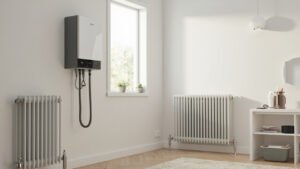
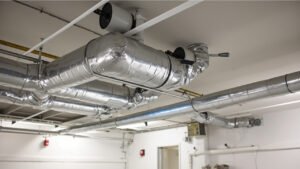
The fundamental difference is ductwork: best time to replace a furnacecentral air uses a network of ducts to distribute conditioned air throughout the home, while a <a href="/heaheat pumps t-pumps-2/”>mini split heat pump delivers air directly from wall- or ceiling-mounted units to each room without any duct system. A mini split is effectively a ductless central air system—you get the zoning capability and individual room control that central air lacks, at the cost of visible indoor units.
A central air system has one outdoor condenser/heat pump unit connected to one indoor air handler, which pushes cool (or warm) air through a network of ducts to multiple rooms via supply and return registers. A mini split has one outdoor unit connected to multiple indoor units (wall-mounted, floor-mounted, or ceiling cassette), each serving a specific room or zone.
The ductless architecture is the key distinction—it changes everything about installation complexity, aesthetic impact, cost, and control.
Which System Is More Energy Efficient?
Mini splits are generally more energy efficient than central air, particularly in homes where only some rooms are occupied regularly. The efficiency advantage comes from zoning—each indoor unit runs only when that specific room needs conditioning. A central air system must condition the whole house whenever any thermostat is calling for cooling or heatypes of heating systems ting, even if only one room is occupied.
Efficiency Comparison
| System | Average Seasonal Efficiency | Energy Waste from Zoning |
|---|---|---|
| Central Air | 14–17 SEER (standard) / 18–22 SEER (high-efficiency) | 15–30% of energy is wasted on unoccupied rooms |
| Ductless Mini Split | 20–30 SEER (high-efficiency inverter units) | Near-zero—each room only uses energy when occupied |
Duct leakage adds to the advantage. Central air duct systems lose 10–20% of conditioned air to leaks in unconditioned attics, crawl spaces, and poorly connected duct runs. A mini split delivers air directly to the room without any duct path to lose energy through.
The overall efficiency advantage of mini splits is 15–30% in typical occupied patterns, though the exact saving depends on how many rooms are used simultaneously.
Which Is Less Expensive to Install?
Central air is typically less expensive to install in a home that already has ductwork, costing $3,000–$6,000 for a new installation. Mini splits cost $1,500–$4,000 per zone, meaning a 4-zone system runs $6,000–$16,000 installed. If ducts are already in place, central air wins on cost. If no ducts exist, mini splits may be cheaper—installing ductwork in a finished home can cost $8,000–$20,000.
Cost Comparison by Scenario
| Scenario | Central Air Install | Mini Split Install |
|---|---|---|
| Existing ductwork | $2,500–$4,500 | N/A (mini split may not make sense) |
| No ducts, new construction | $4,000–$7,000 | $5,000–$12,000 (fewer zones needed) |
| No ducts, existing home | $8,000–$20,000 (ductwork in finished home) | $5,000–$14,000 (4–6 zones) |
| Adding A/C to one room | Not cost-effective | $1,500–$3,000 (single zone) |
For room additions and older homes without existing ductwork, mini splits are almost always the less expensive option. Installing central air ductwork in a finished home requires opening walls and ceilings—a massive disruption and expense.
Which Is Better for Room-by-Room Zoning?
Mini splits are vastly superior for room-by-room zoning. Every indoor unit in a mini split system has its own thermostat and operates independently. You can cool the living room to 72°F while keeping the bedroom at 78°F for sleeping—impossible with a central system that has one thermostat controlling the whole house.
Central air zoning is possible with dampers installed in the duct system, but it’s more complex, more expensive, less precise, and less reliable than true ductless zoning. Central dampers can stuck, leak, or create pressure imbalances that stress the equipment.
- Each room temperature is independently controlled
- Rooms can be turned off completely when unoccupied (no energy waste)
- Different family members can have different temperature preferences simultaneously
- Lower energy bills by not conditioning empty rooms
Which System Has Lower Long-Term Maintenance Costs?
Both systems have similar maintenance costs whennew, but central air has higher long-term costs due to duct maintenance, more complex duct cleaning, and the complexity of a single larger system versus multiple independent units. HVAC installation process varies significantly between the two system types. Duct maintenance is the wildcard—dirty ducts reduce efficiency and air quality but cleaning is expensive ($300–$600 per cleaning) and often needed every 3–5 years.
Maintenance Comparison
| Component | Central Air | Mini Split |
|---|---|---|
| Filter changes | Monthly, standard 1–2″ filter ($15–$40) | Monthly, washable filters in each unit (no replacement cost) |
| Annual professional service | $100–$200 | $150–$300 (more units to service, but simpler system) |
| Duct cleaning | $300–$600 every 3–5 years | None (no ducts) |
| Major repairs | $200–$800 (ductwork, large unit) | $200–$500 (individual unit) |
| Lifespan | 15–20 years (unit); ducts last 30+ years | 15–20 years (outdoor unit); indoor units 20–25 years |
The absence of ductwork gives mini splits a meaningful long-term maintenance advantage in homes where duct cleaning or repair would otherwise be necessary. In a home with clean, well-maintained ducts, the maintenance gap narrows considerably.
Frequently Asked Questions
Can a mini split heat as well as cool?
Yes—mini split heat pumps provide both heating and cooling from the same equipment, often at superior efficiency to central air heat pumps. Modern inverter-driven mini splits achieve 20–30 SEER in cooling and 10–13 HSPF in heating, making them effective primary heating sources in all but the coldest climates. Many homeowners use mini splits as their primary heating and cooling system, eliminating the need for a separate furnace.
Are mini split indoor units ugly?
Modern mini split indoor units are far more aesthetically refined than older models—slim profiles, clean lines, and neutral colors that blend into most room designs. Wall-mounted units are typically 30–36 inches wide and 8–10 inches deep, mounted high on walls. Ceiling cassette units (4-way discharge) are recessed into the ceiling and less visible. Floor-mounted units are an option where wall installation isn’t practical. The aesthetic concern is real but diminishing as designs have improved.
How long do mini splits last?
A well-maintained mini split outdoor unit lasts 12–17 years, while indoor units often last 20–25 years. The refrigerant lines and electrical connections are durable; the main wear item is the compressor, which is designed for the outdoor unit lifespan. Annual professional service (cleaning coils, checking refrigerant, verifying electrical connections) extends the system life significantly.
Can I use a smart thermostat with a mini split?
Most mini splits come with infrared remote controls and have optional Wi-Fi adapters for smartphone control. See our heat pump installation quoheat pump installation quotes tes guide for pricing and contractor selection. Many can also integrate with smart home systems (Alexa, Google Home, Apple HomeKit) through manufacturer apps or third-party integrations like Sensibo, Cielo, or similar. Some models have built-in smart home compatibility. Control is actually more flexible than most central systems.
Is a mini split more expensive to run in winter?
Mini splits become less efficient in very colheat pump efficiency in cold climates d outdoor temperatures but remain more efficient than electric resistance heat even at very low temperatures. In climates where winter temperatures regularly drop below 0°F, a cold-climate mini split (10+ HSPF) maintains effective heating output and efficiency. In extremely cold climates, a hybrid system pairing a mini split with a gas furnace is often the optimal solution.