Installing a new furnace or complete HVAC system is one of the most significant home improvement projects a homeowner can undertake. A proper HVAC ins<a href="/heatypes of heating systems ting-system-installation/”>heating system installation tallation process involves site assessment, heat-loaManual J load calculation d calculation, equipment selection, ductwork design, installation, commissioning, and final code inspection. This guide walks through each phase so you know exactly what to expect from start to finish.
What Happens During the Initial HVAC Site Survey?
The installation process begins before any equipment is ordered. A qualified HVAC conchoosing an HVAC contractor tractor visits your home to assess the existing infrastructure—or, in new construction, the planned layout. Choosing an HVAC contractor with proper credentials is essential for a quality installation. The technician evaluates current ductwork condition and layout, measures each room’s square footage, checks existing venting and drainage options, and identifies any structural obstacles.
The site survey determines whether your home can support a new or replacement system without modifications. During this visit, note whether the contractor takes thorough measurements or simply quotes from a quick walkthrough—rushed surveys often result in improperly sized equipment.
Ask the contractor to document their findings in writing. A professional installer will photograph problem areas and explain exactly what they’re assessing.
Why Is Manual J Load Calculation Critical for My Home?
The Manual J heat-load calculation is the industry-standard method for determining your home’s exact heating and cooling demands. This mathematical evaluation accounts for ceiling height, wall insulation R-values, window U-factors, door sizes, local climate data, and even directional exposure (north-facing vs. south-facing walls). Manual J load calculation ensures your new furnace is neither oversized nor undersized.
A proper Manual J calculation ensures your new furnace is neither oversized nor undersized for your home. Undersized furnaces struggle to maintain temperature on the coldest days; oversized units cycle on and off frequently, wasting energy and wearing out components faster.
Demand a written copy of the Manual J report from your contractor. If they refuse or claim it’s “included but not provided,” consider it a red flag. Many municipalities now require this calculation for permit approval.
How Do I Choose the Right Furnace Size and Type?
Equipment selection follows the Manual J results. Your contractor presents options based on your heat-load data, budget, and efficiency preferences. The two most common furnace types are single-stage and two-stage modulating furnaces.
A single-stage furnace runs at full capacity whenever it cycles on; a two-stage or modulating furnace adjusts output to match demand, improving efficiency and comfort. For most homes in temperate climates, a two-stage unit offers the best balance of cosfurnace installation cost t and performance.
Sizing is measured in BTUs (British Thermal Units). Residential furnaces typically range from 40,000 to 100,000+ BTUs. Your Manual J calculation provides the exact output needed—typically within a 10% tolerance window.
Consider these factors during selection:
- AFUE rating (Annual Fuel Utilization Efficiency): Minimum 90%+ for gas furnaces; 95%+ qualifies for ENERGY STAR
- Blower motor type: ECM (Electronically Commutated Motor) blowers use 70–80% less electricity than standard PSC motors
- Warranty coverage: Look for at least 10 years on the heat exchanger, 5 years on parts
What Does HVAC Ductwork Design Involve?
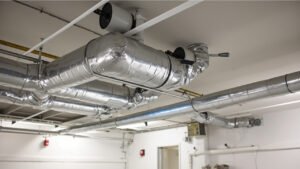
Ductwork is the circulatory system of your HVAC system. Even the finest furnace underperforms if connected to poorly designed ducts. HVAC zoning ensures conditioned air reaches every room with minimal resistance.
Effective ductwork design balances airflow (measured in CFM—cubic feet per minute) across all supply and return runs. Your contractor should calculate total CFM requirements, determine trunk and branch pipe sizes, and position supply diffusers and return grilles for optimal air mixing.
Common duct configuration types include:
- Trunk-and-branch: Traditional design with a central trunk line and smaller branches to each room
- Ductless mini-split: No ductwork required; individual units deliver air directly to zones
- Radial ductwork: Each room has its own dedicated supply line from the unit
If your home has existing ducts, the contractor inspects them for leaks, kinks, or inadequate insulation. Sealing and insulating ductwork can improve efficiency by 20–30% according to ENERGY STAR data.
What Happens on Furnace Installation Day?
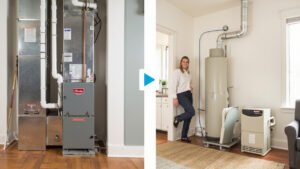
Installation day is when theory becomes reality. The crew arrives early, protects flooring and doorways, and hauls the old unit out (for replacements). The new furnace is positioned, connected to gas and electrical lines, and linked to the ductwork system.
The installation crew connects gas supply lines, installs a new condensate drain line, wires the thermostat and control board, and ensures proper combustion air intake. Professional installers use nitrogen to pressure-test gas connections—no exceptions.
Typical installation timeline for a straight replacement:
- 4–6 hours for a straightforward swap
- 1–2 full days if ductwork modifications are required
- 3–5 days for full-system installs in new construction
Ask your contractor to explain what they’ll do on installation day and confirm they’ll handle debris removal. A quality installation ends with a spotless workspace.
How Is a New Furnace Commissioned and Tested?
Commissioning is the quality-assurance phase that follows installation. Your contractor powers up the system, runs diagnostic checks, and verifies performance across all operating modes—heating, cooling (if applicable), and fan-only.
Commissioning tests include measuring gas pressure, checking flame characteristics, verifying airflow at each supply register, and confirming thermostat communication. The technician logs performance data and compares it against manufacturer specifications.
A proper commissioning checklist includes:
- Gas valve pressure drop measurement (should not exceed manufacturer tolerances)
- Temperature rise check (difference between supply and return air, typically 30–60°F)
- Flame appearance inspection (blue, stable flame—no flickering or lifting)
- Carbon monoxide detection at flue connection (must read 0 ppm)
- Thermostat cycle testing (verify multi-stage operation if equipped)
Request a commissioning report documenting all test results. This record matters if warranty claims arise.
What Does HVAC Code Inspection Cover?
Local building codes require final inspection by a certified inspector or HVAC-licensed journeyman. This inspection verifies the installation meets national and local codes—primarily the International Fuel Gas Code (IFGC) and the National Electrical Code (NEC).
Code inspections confirm proper clearances around the furnace, correct venting slope, approved gas line materials, and properly bonded electrical grounds. Missing or inadequate clearance around a furnace is the most common code violation.
After inspection, your contractor files the necessary paperwork with the local building department. The furnace model and serial number go on record. This documentation becomes part of your home’s permanent file—important for resale and warranty claims.
Schedule a separate mechanical inspection for the ductwork and a plumbing inspection for the condensate drain if your jurisdiction requires them.
What Maintenance Should I Schedule After Installation?
Your new furnace requires ongoing care to maintain performance and validate the warranty. Most manufacturers require annual professional servicing to keep the parts warranty in force.
Schedule your first maintenance appointment 12 months after installation, then annually thereafter. Between professional visits, keep filters clean (check monthly, replace every 1–3 months depending on filter type and home environment).
Post-installation maintenance basics:
- Replace or clean air filters every 1–3 months
- Keep the area around the furnace clear of storage
- Test thermostat operation monthly
- Monitor gas odor around the unit (never ignore gas smells—evacuate and call the gas company immediately)
- Keep condensate drain line clear (especially in humid climates)
Consider enrolling in an annual maintenance contract with your installing contractor. These typically cost $80–$150 per visit and include priority scheduling, discounted repairs, and manufacturer-warranty compliance.
Frequently Asked Questions
How long does a complete HVAC installation take?
A straightforward furnace replacement takes one day. Full HVAC system installations, including ductwork, typically require 3–5 days. Homes requiring significant ductwork modification may need a week or longer.
Can I install a furnace myself to save money?
No. Furnace installation requires licensed gas and electrical work in most jurisdictions. DIY installation voids the manufacturer’s warranty, may fail code inspection, and poses serious fire and carbon monoxide risks. Always hire a licensed HVAC contractor.
What is the average cost to install a furnace?
Installed costs range from $3,000–$8,000 for a gas furnace in a typical single-family home, depending on efficiency rating, size, and whether ductwork modifications are needed. High-efficiency units (95%+ AFUE) and complex installs push toward the upper end.
Is a more expensive furnace always better?
Not necessarily. The right furnace matches your heat-load needs and climate. An oversized high-efficiency unit costs more to install and may perform worse than a properly sized standard-efficiency model. Let Manual J calculations guide your decision.
How long does a new furnace last?
Most furnaces last 15–20 years with proper maintenance. High-efficiency condensing units may have shorter lifespans (12–15 years) due to more complex components, but typically offer lower operating costs over their lifetime.